
RELATED Live.
- About us
- Find Hospitals
-
KIMA Doctors
- All
- Anesthesiology
- artificial joint center
- Breast and Endocrine Surgery
- Breast cancer and thyroid cancer center
- Breast Surgery
- Cardiology
- Cardiothoracic Surgery
- Cerebrovascular Center
- Colorectal Surgery
- dental and maxillofacial surgery
- Dermatology
- Endocrinology
- Gastroenterology
- General Surgery
- Genito-Urology
- Hematology
- Hemato-oncology
- Infection Center
- Internal Medicine
- International Healthcare Center
- Korean Medicine
- liver center/Pancreas and billiary tract center
- Liver Transplantation
- Neurology
- Neurosurgery
- Obstetrics & Gynecology
- Ophthalmology
- Orthopedic
- Otorhinolaryngology
- Pediatric & Juvenile
- Pediatric Allergy and Respiratory Diseases
- Pediatric Gastroenterology
- Pediatric Neurology
- Pediatrics
- Physical Medicine & Rehabilitation
- Plastic & Reconstructive Surgery
- plastic surgery
- Pulmonology
- Radiation oncology
- Rheumatology
- Thyroid & Endocrine Surgery
- Urology
- Vascular Surgery
- KIMA News
- KIMA Live
- Community
KIMA NEWS
- “The era of undisputed dominance is over… Policy considerations are needed”
- From airport pickups to salon shampoo services: Diverse patient care in the field
- Experts highlight the need for improvements in visa processes, VAT refunds, and accommodations
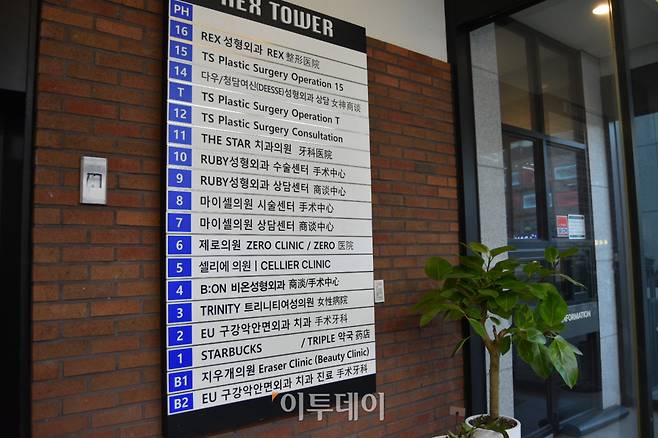
In the Sinsa-dong area of Gangnam-gu, Seoul, it is common to encounter foreign tourists who have undergone cosmetic procedures. This district, dense with medical institutions, has become a core engine for the local economy. Businesses such as hair salons, drugstores, cafes, and clothing shops in the vicinity are also seeing a boost in sales thanks to visiting medical tourists.
E-Today recently visited Ruby Plastic Surgery in Nonhyeon-dong, Gangnam-gu, to examine the current state of medical tourism in Korea. This clinic is a registered medical institution for attracting foreign patients under the Korea Health Industry Development Institute (KHIDI) and a partner institution of Gangnam-gu Medical Tourism. Dr. Heo Jung-woo, the Chief Director, emphasized the importance of the industry, stating, “Without foreign patients, most plastic surgery clinics would face a significant management crisis.”
Customized Services for Global Patients The number of foreign patients at Ruby Plastic Surgery has recovered rapidly since the pandemic. The clinic saw approximately 600 foreign patients in 2024, which grew to about 820 in 2025. To accommodate this influx, the clinic operates a dedicated international business team consisting of six specialists fluent in English, Japanese, and Chinese.

The clinic offers comprehensive concierge services that cover everything from arrival to departure. "We provide not only online consultations before the visit but also airport pickup and sanding services via VIP vans," explained Choi Ji-yu, Manager of the International Business Team. "We partner with nearby hotels for easy booking and provide information on local attractions and restaurants. For patients who find it difficult to wash their hair after surgery, we even provide shampoo care through affiliated salons."
Maintaining a Competitive Edge Amid Rising Challenges While foreign patients prefer Korea for its reasonable costs and the high proficiency of its medical staff, the industry faces growing competition from countries like China, Thailand, and Vietnam. These nations are aggressively adopting new technologies and marketing strategies.
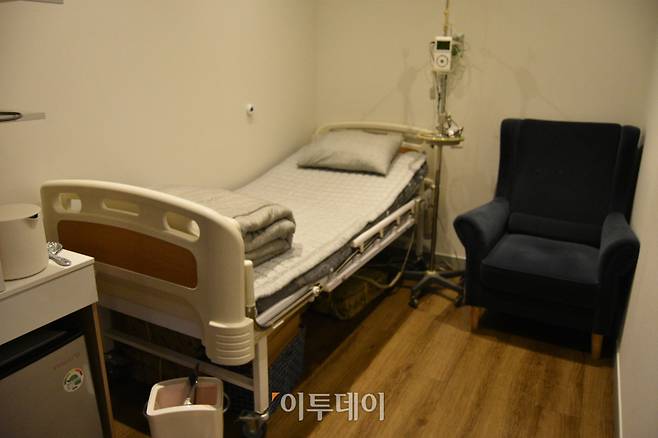
Dr. Heo pointed out several domestic hurdles: “South Korea has very strict regulations regarding medical marketing, and there is a high risk of legal disputes when new techniques are introduced. Furthermore, the termination of the 10% VAT refund for foreign patients has reduced Korea’s price competitiveness.”

Manager Choi also noted a shift in sentiment among international patients. Monitoring online feedback reveals increasing complaints regarding the complexity of visa issuance, uncomfortable accommodations, and rising costs.
“Although we were designated as an excellent institution for attracting foreign patients by the Ministry of Justice, we still face issues such as visa denials even after patients have paid deposits,” Choi shared. She stressed that "strategic policy considerations are now essential to improve the overall medical tourism environment and maintain Korea's leadership in the global market."

Source: E-Today
Original Article:
Reporter: Seong-ju Han (hsj@etoday.co.kr)
Note: This article has been translated and reposted by the Association for the convenience of our international visitors.

Inquiry